From Studio to Street: Setting Up Your Bike
by Alex Stein, @smilingciclista
If you’ve spent hours climbing virtual mountains on your Peloton, you already have the fitness to ride outside. But here’s the truth: the first step to feeling comfortable on the road isn’t about watts or cadence — it’s about how your bike fits your body. Unlike the fixed geometry of your Peloton, outdoor bikes are endlessly adjustable, and getting that setup right makes the difference between a joyful ride and nagging aches.
Why Fit Matters
On a Peloton, you dial in seat height once and rarely think about it again. Outdoors, every rider’s body is different, and so are the bikes. Even small adjustments in saddle height, handlebar reach, or cleat position can:
- Prevent knee, back, and neck pain
- Improve power and efficiency
- Boost comfort, especially on longer rides
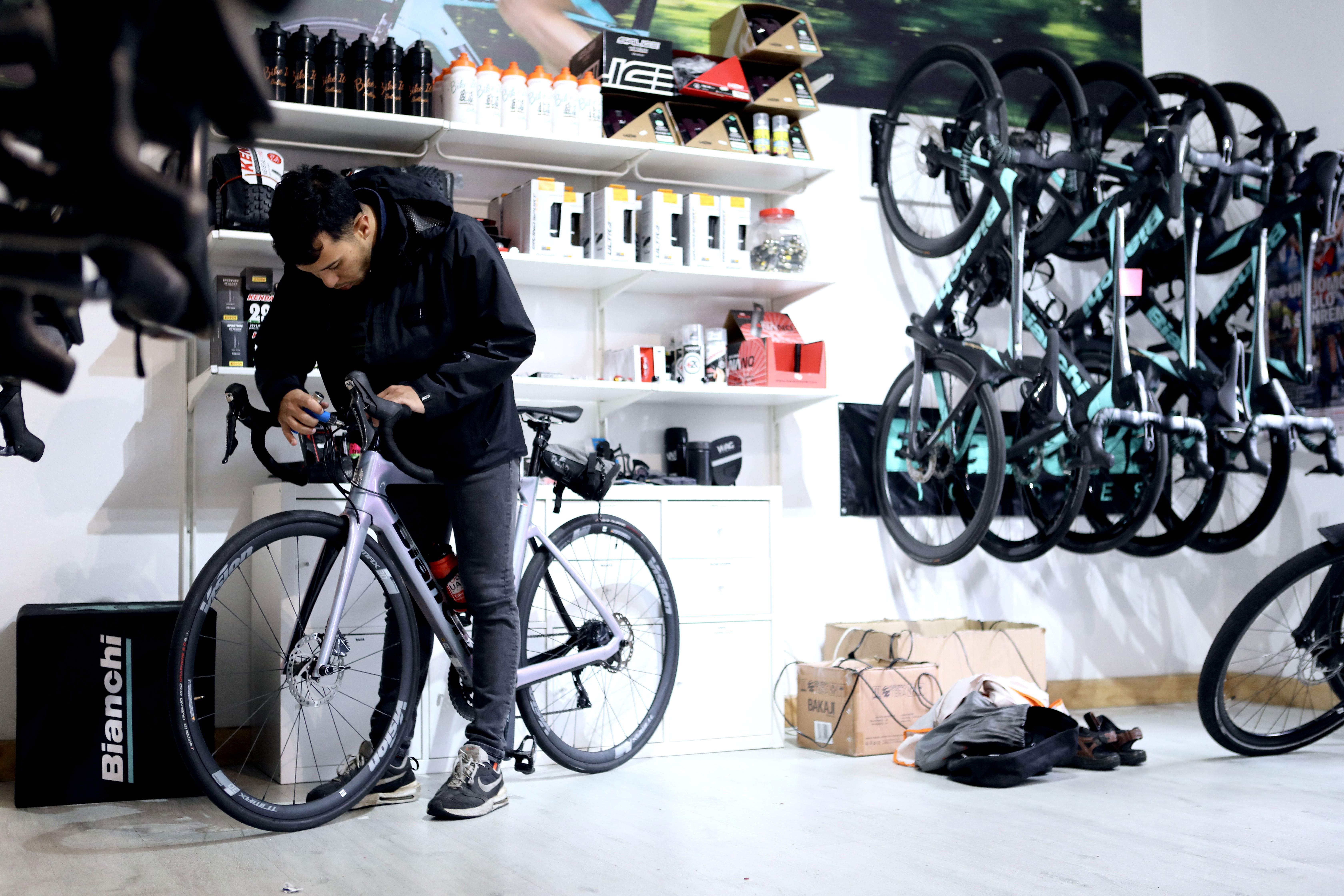
We will have a bike ready for your height and build. Before you begin your Bike It! adventure you will work with your guide to get your seat height and reach setup. Over the course of a multi-day tour we can tweak to improve your comfort. Here is how we think about things.
Three Quick Setup Wins
- Saddle Height
Sit on the bike with your heel on the pedal at the bottom of the stroke. Your leg should be straight. When you clip in normally (ball of foot on pedal), you’ll have a slight bend in the knee — that’s perfect. This is likely to feel high for you as you may not be able to reach the ground when your sitting on the seat. There is a balance between comfort when riding and comfort when stopping. Sometimes we start with your seat lower so you feel comfortable when you stop, but we encourage you to move your seat higher as you build confidence coming to a stop and starting again. - Handlebar Reach
When you rest your hands on the hoods (the brake lever tops), your elbows should have a soft bend, not locked straight. If you feel like you’re straining to reach or your back is cramped, we can adjust the bar height or . - Pedals & Shoes
Many Peloton riders use SPD-SL cleats (the big road ones). These are tricky for beginners outside. We recommend switching to flat pedals as you get used to navigating the world on two wheels. Once you are confident, you can add back the cleats.
Your Week 1 Action Step
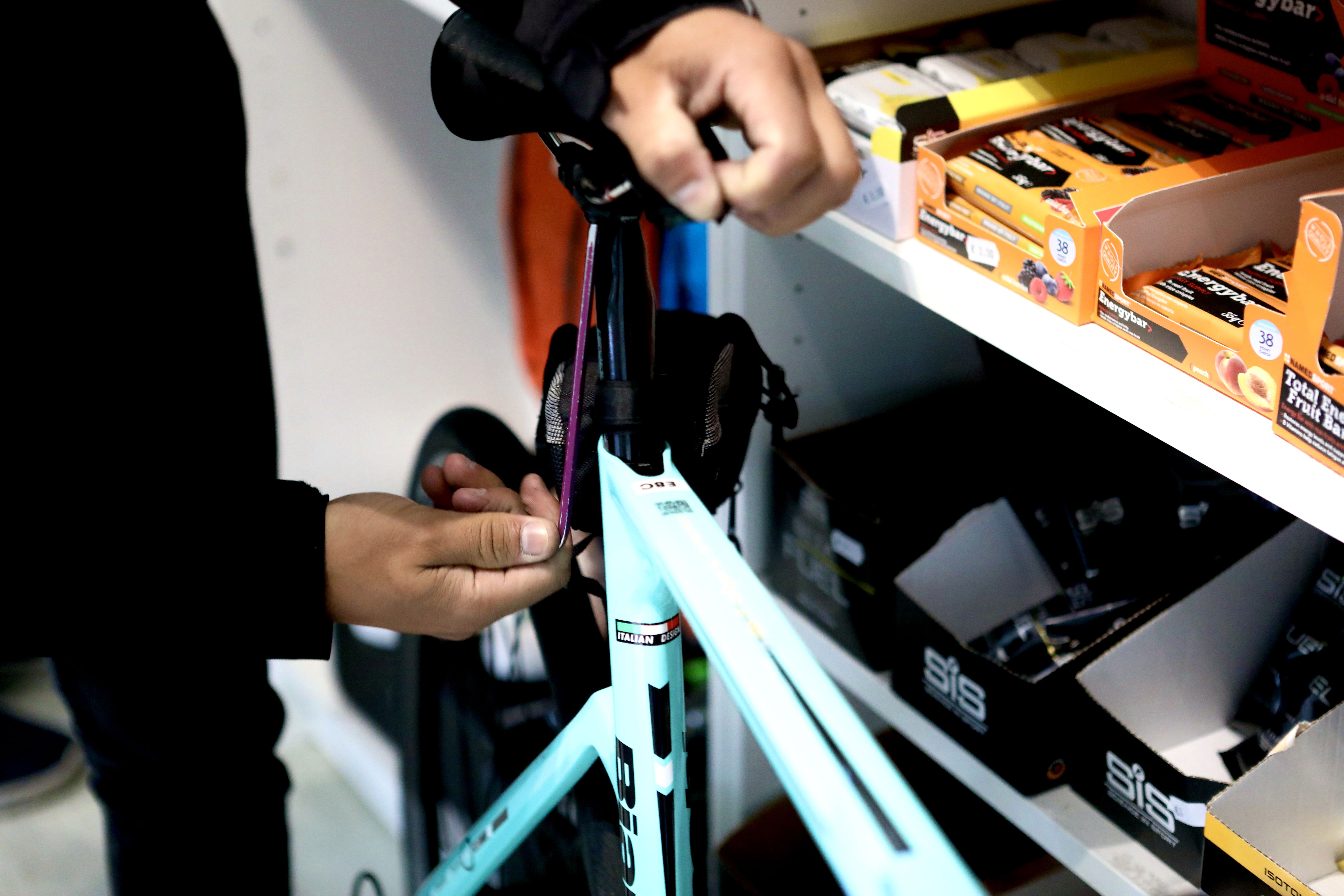
Find a quiet spot — driveway, garage, or even with the bike on a trainer — and dial in your setup. If you can, schedule a professional bike fit at a local shop. Think of this as laying the foundation: once the bike feels like an extension of your body, every new skill will come easier.
👉 Next week in the Peloton to Road series: we’ll leave the garage and learn how to start, stop, and ride in a straight line — the real fundamentals of outdoor cycling.